
Tech
2026
6 live screens
One shared AI world
485
Cities generated
Collaboration & Partner
MATTE Projects, Replit

The Challenge
Most live AI demos at conferences are either pre-rendered and pretend to be live, or genuinely real-time but visually underwhelming. The hard problem isn't generation speed.
It's coherence: making something that generates differently every time but still reads as a unified, intentional world.
Vibe City had to be both.
The Solution
Vibecon NYC, curated by Replit, approached mimikry to create a live installation that could demonstrate real-time generative AI in a way that felt participatory, not passive. The goal was a proof of concept for what creative AI infrastructure looks like when it's built for experience, not for efficiency.
The constraint: it had to run live, in public, on consumer hardware, without a cloud dependency, and it had to hold up in a room full of people who build with AI for a living.
Full Story
What we built
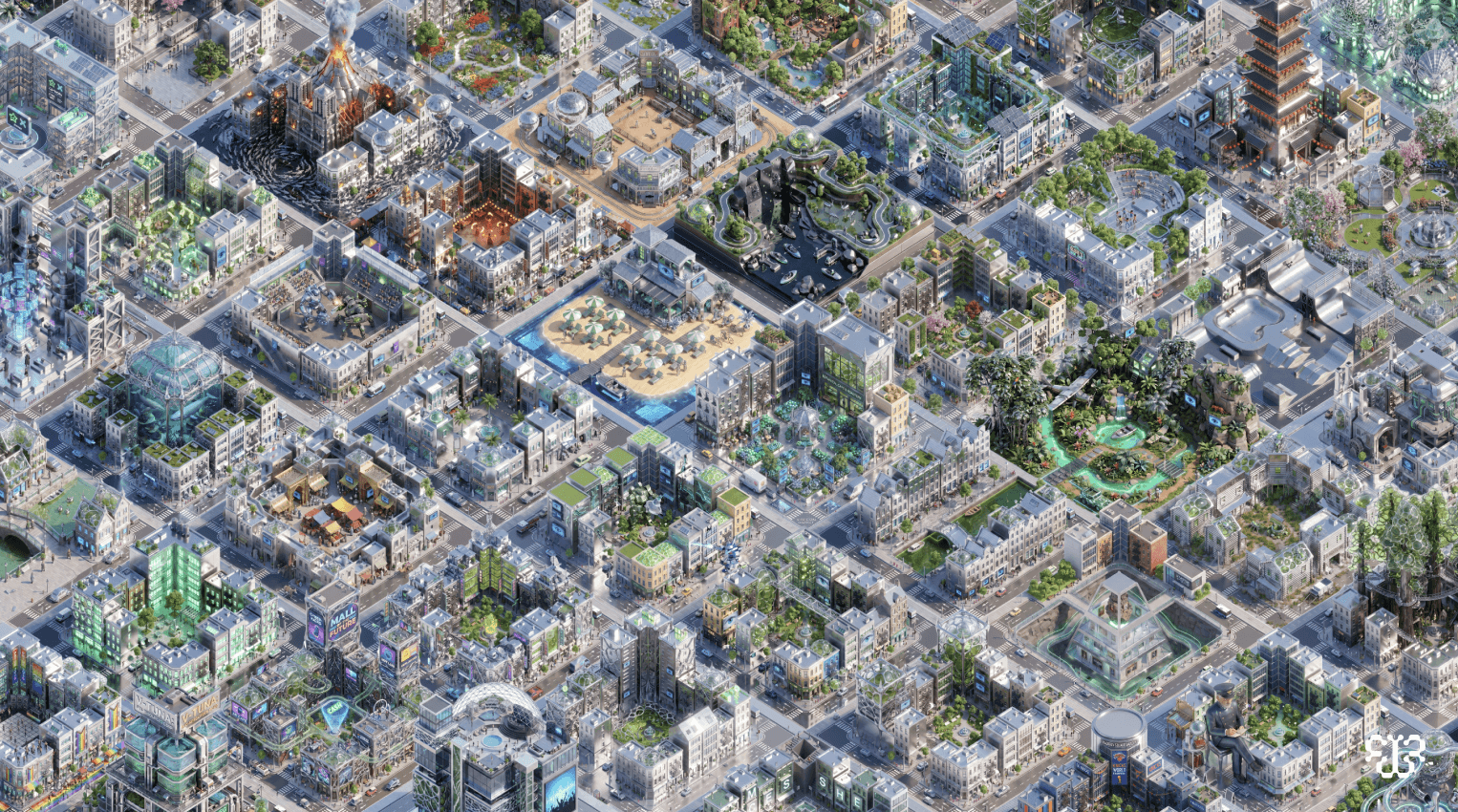
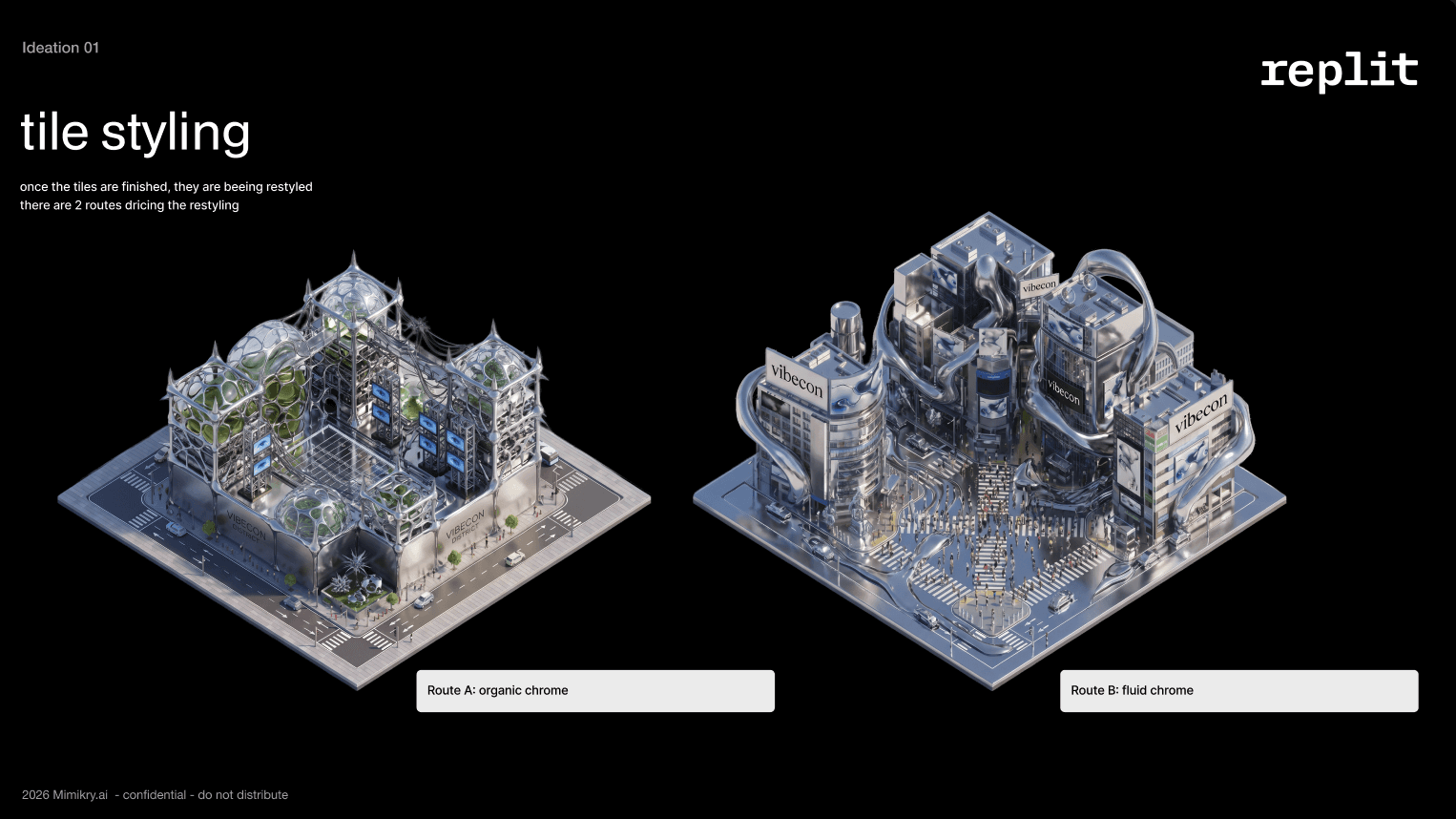
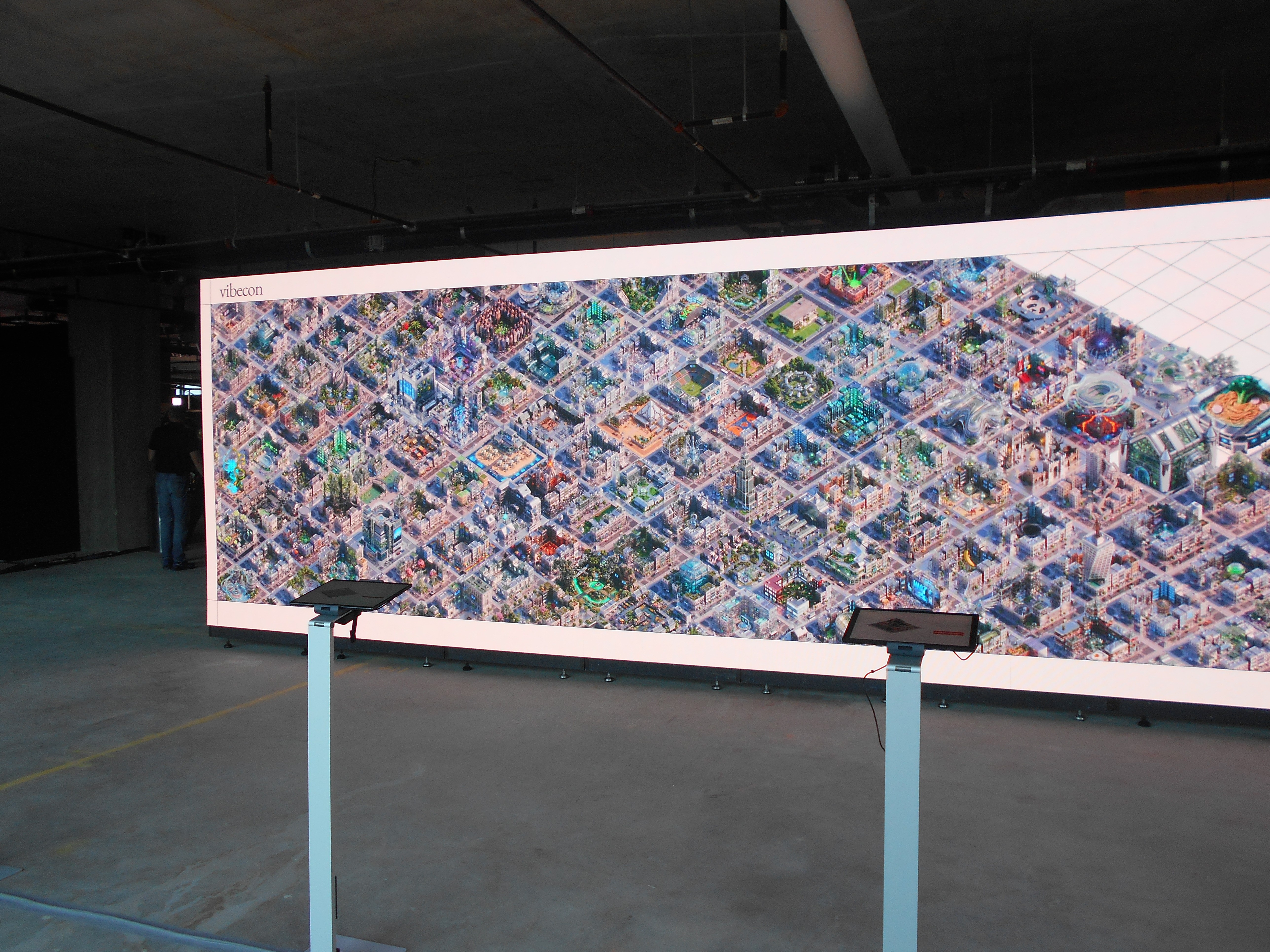
A real-time AI city-block generator running simultaneously across six tablets, each showing a different block of the same city, generated live, updating in real time as the audience watched.
No pre-rendered assets. Everything ran on-device, built on a mix of local models and ComfyUI, tuned specifically for the aesthetic logic of the installation.
The city had rules. Not just visual rules but generative constraints: what kinds of buildings could appear next to each other, what materials existed in this world, what didn't. The model couldn't generate anything outside those constraints.
How it works
At vibecon.ai, we presented one of three model-spec-driven systems we've built. This one is a real-time AI installation designed to generate on-brand visuals live, in front of an audience, with no post-production to catch mistakes afterward.
The process works like this:
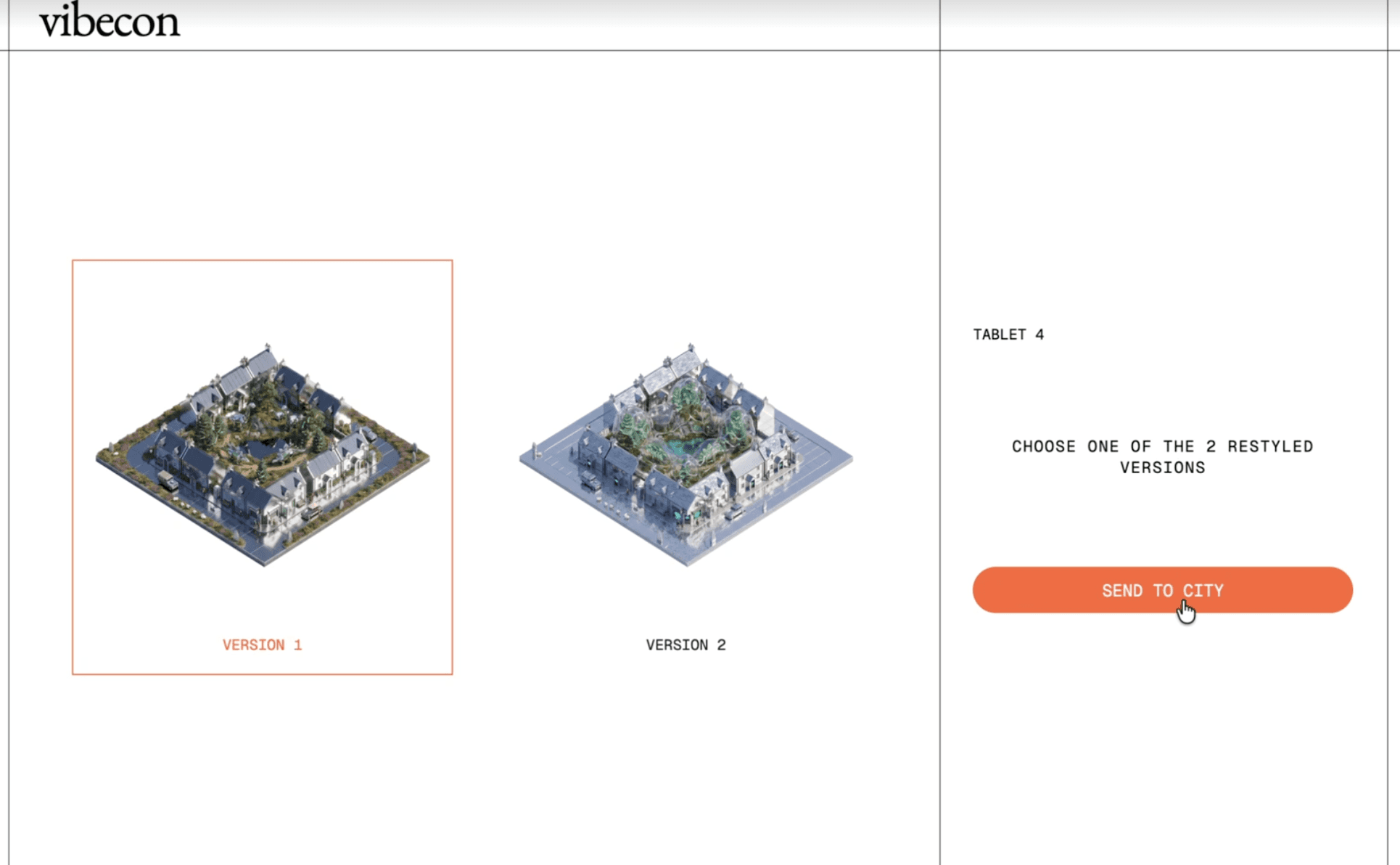
Prompt input. Visitors or team members enter prompts directly on tablets placed at the installation. No technical AI knowledge required. The interface is built for anyone in the room to use in the moment.
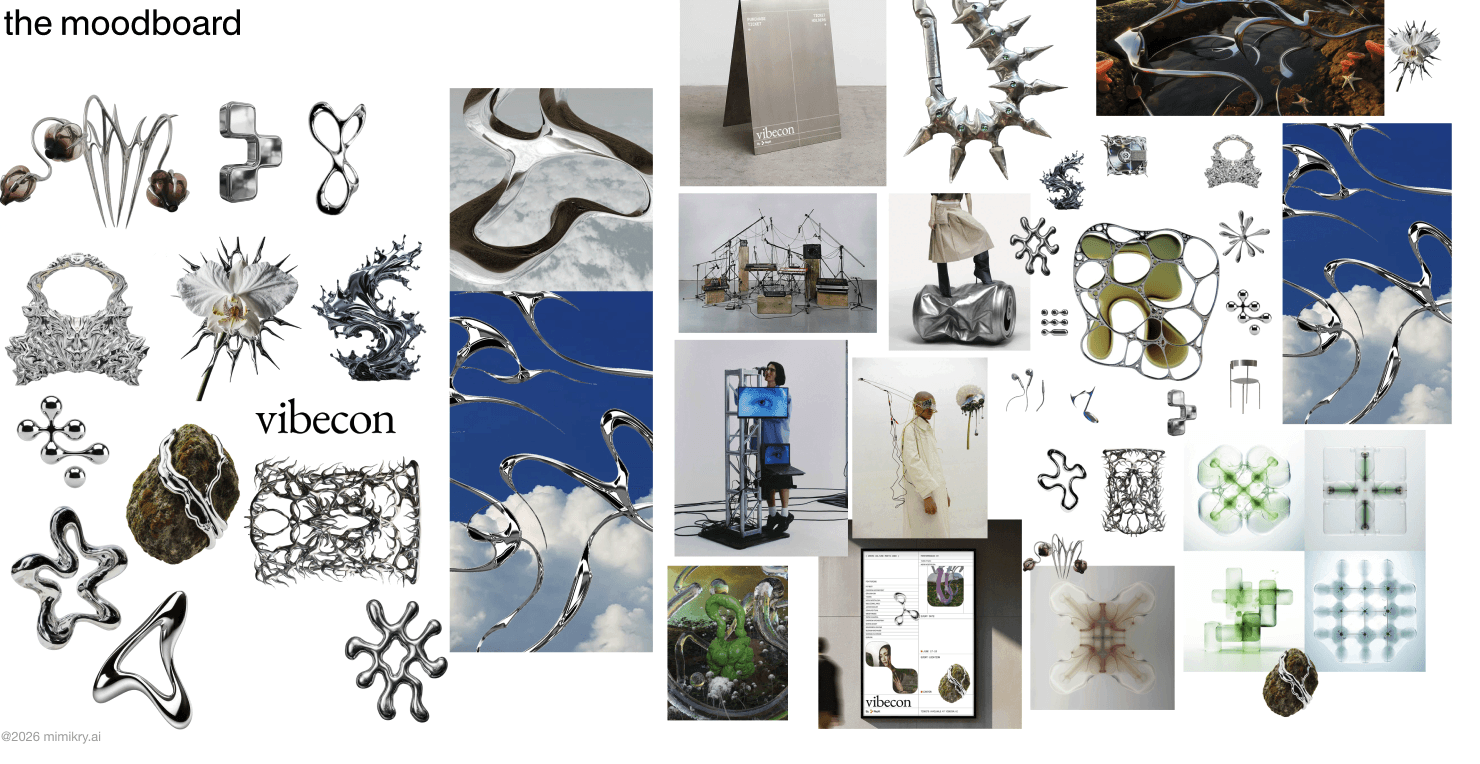
Real-time generation. The prompt runs through a custom-trained model, built specifically around the brand's visual language and constraints, not a generic foundation model. Generation happens live, in seconds, not in an overnight batch.
Selection. Multiple generations come out of each prompt, and the strongest version gets selected, either automatically against defined quality criteria, or manually by whoever is running the installation at that moment.
Approve. Before anything goes public, there's an approval step, the model spec doing its job under live conditions. This is where brand constraints (what never appears, what always has to be true) get enforced in real time, not fixed after the fact.
Output on screen. Once approved, the image appears directly on the installation's screen, live, in front of whoever's watching.
The genuinely hard part of this case isn't the generation itself. That's table stakes now. It's that steps 3 and 4, selection and approval, had to happen at the speed of a live event without breaking the brand's actual standards. That's the same problem we solve in every content pipeline we build, just compressed here into seconds instead of days.
What happened in the room
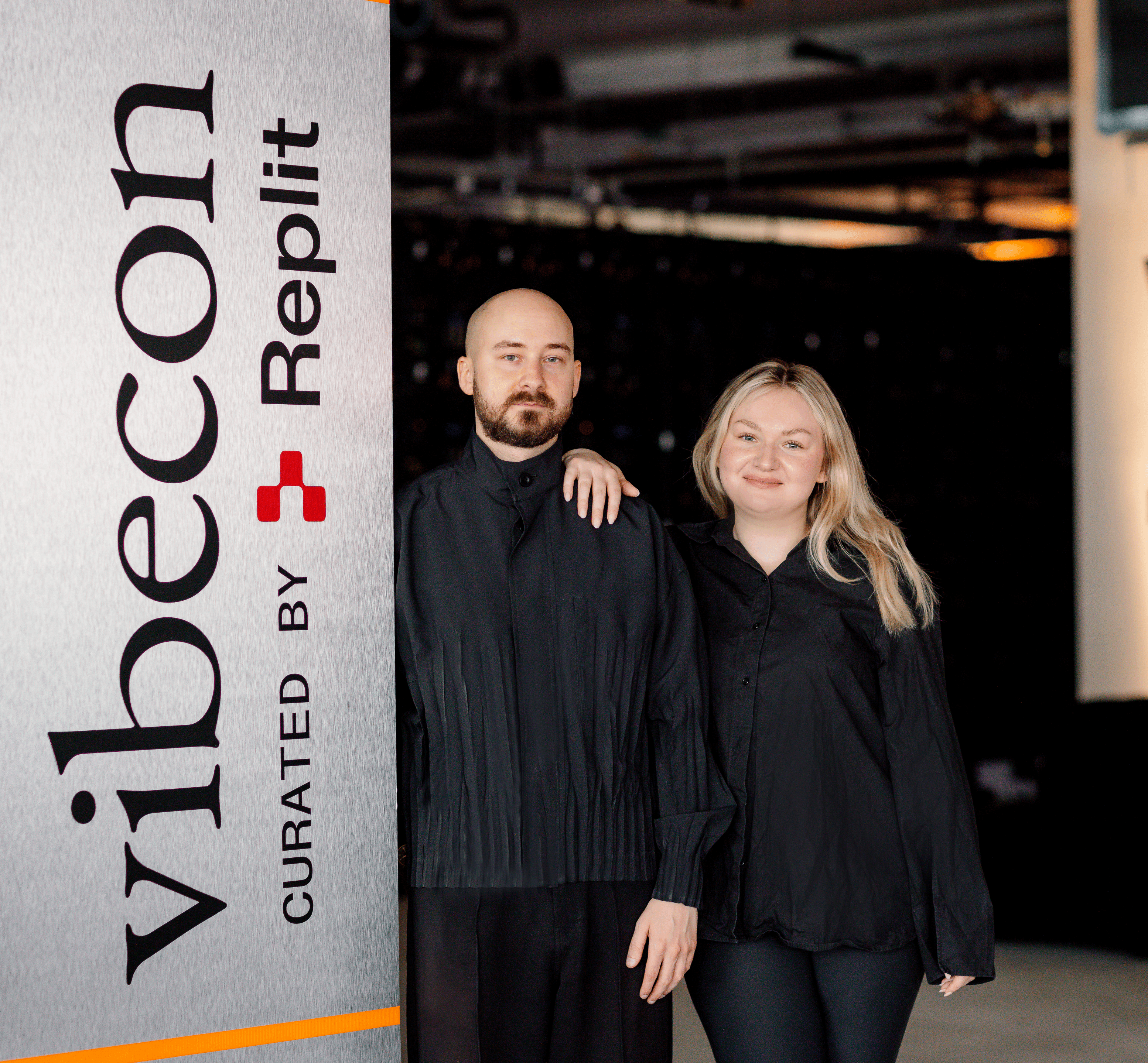
Fenja and Noel presented Vibe City as part of a 45-minute keynote at Vibecon NYC on June 17 and 18, 2026, in front of an audience of practitioners building with AI.
The core thesis the installation was built to demonstrate: the interesting creative decision isn't what you make possible to generate. It's what you make impossible.
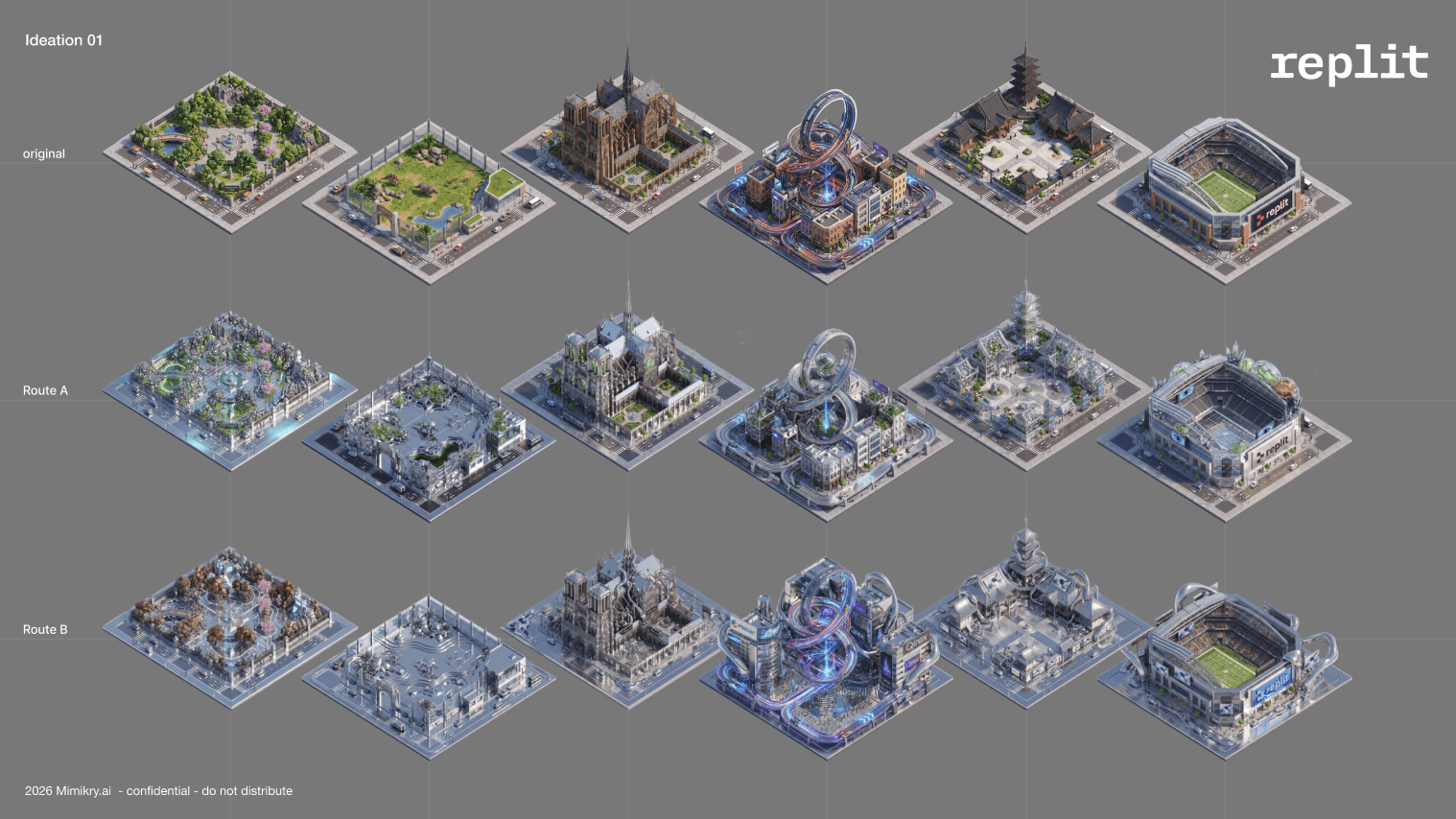
The same logic that made Vibe City architecturally coherent across six screens in real time is what makes a custom AI model trained on one brand's data generate on-brand every time, at scale, without a human reviewer catching drift.
Check out the next use cases.

" height="16px" id="xhPKy8kx3" transform="translate(1 1)" width="18px"/></svg>)
BUILD YOUR AI