If material truth matters more than speed. Exact material accuracy for high-profile brands
If material truth matters more than speed. Exact material accuracy for high-profile brands
Muuto: material accuracy at scale
Muuto: material accuracy at scale

Furniture
Furniture
2025
2025
Case
Case
Mimikry AI
Mimikry AI
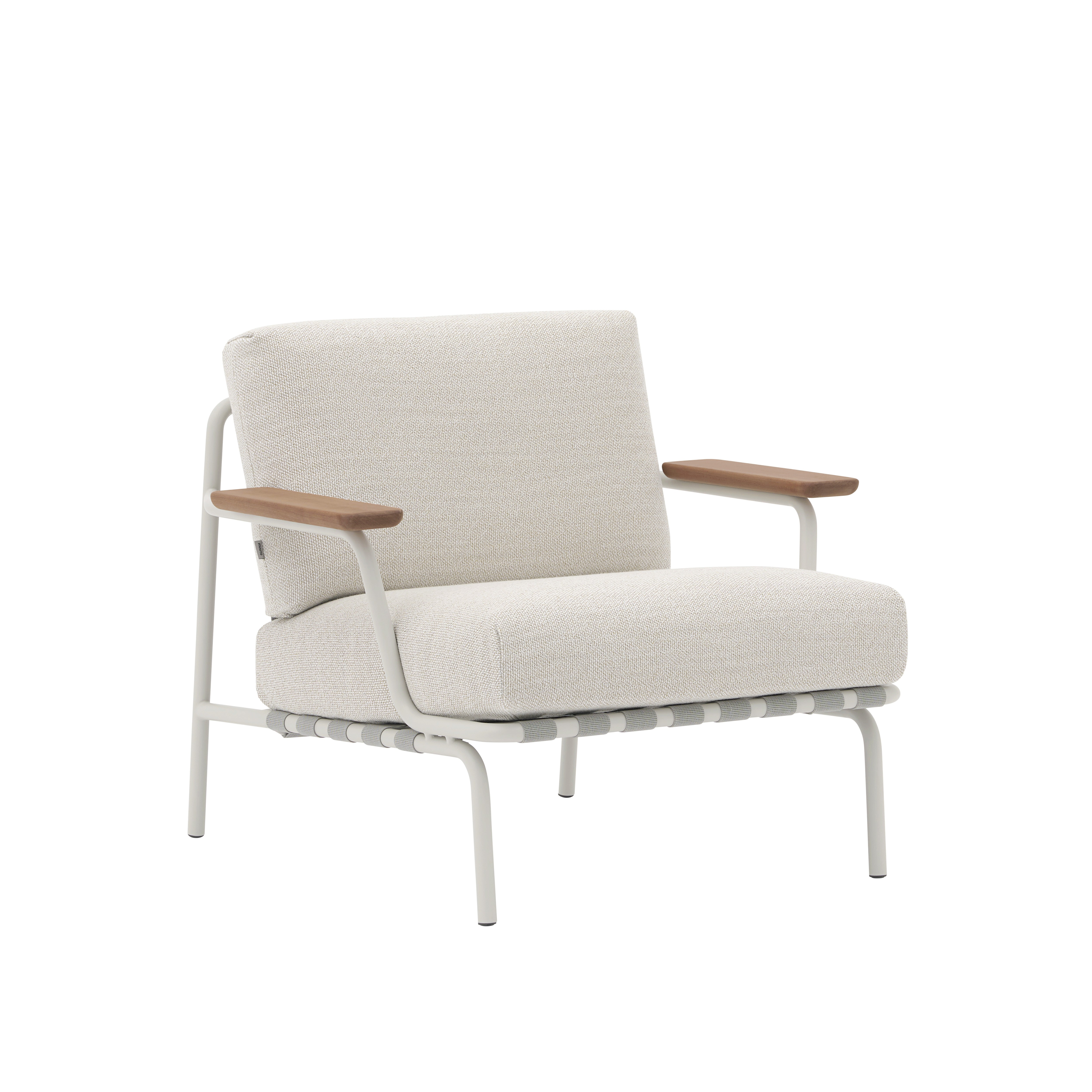
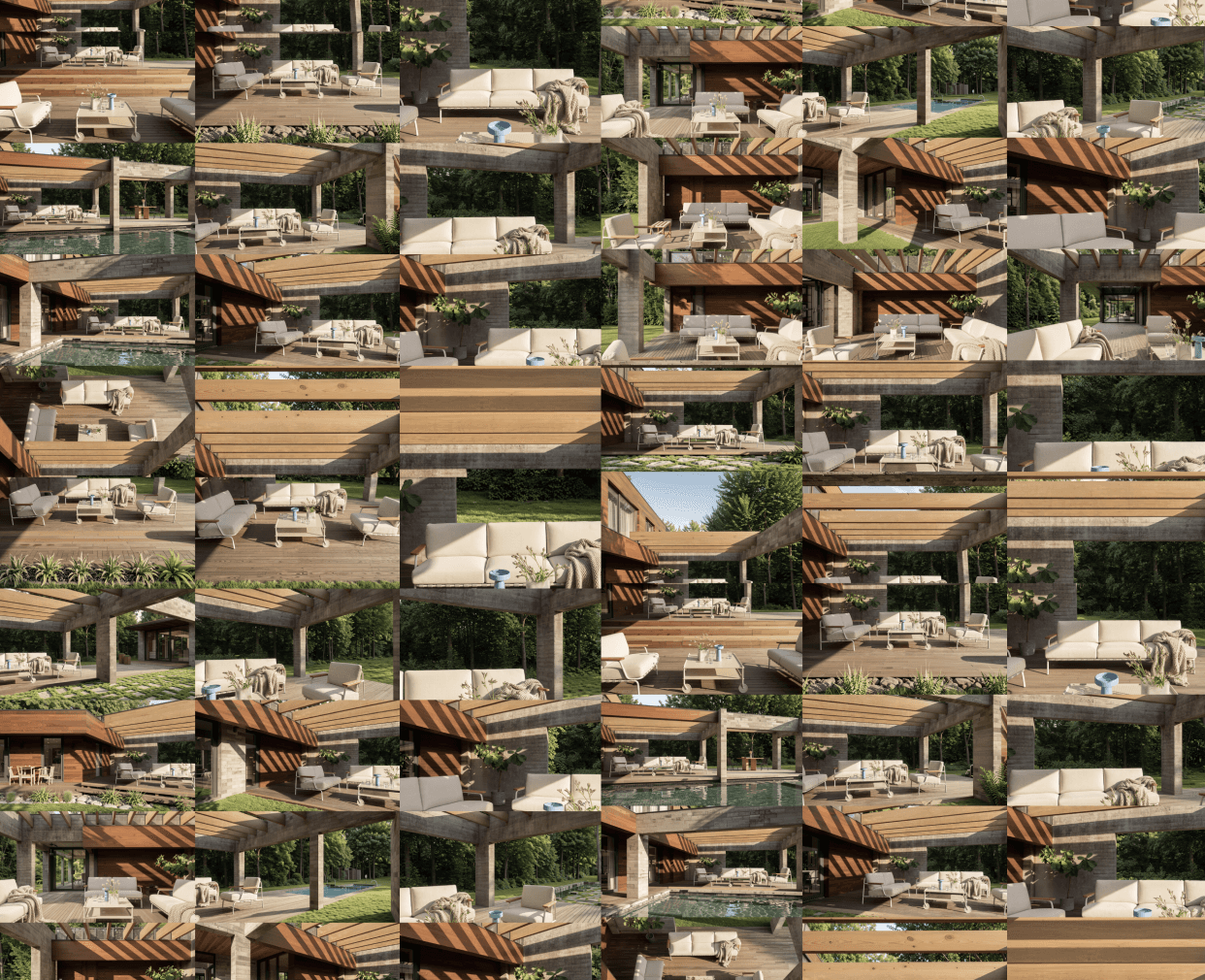

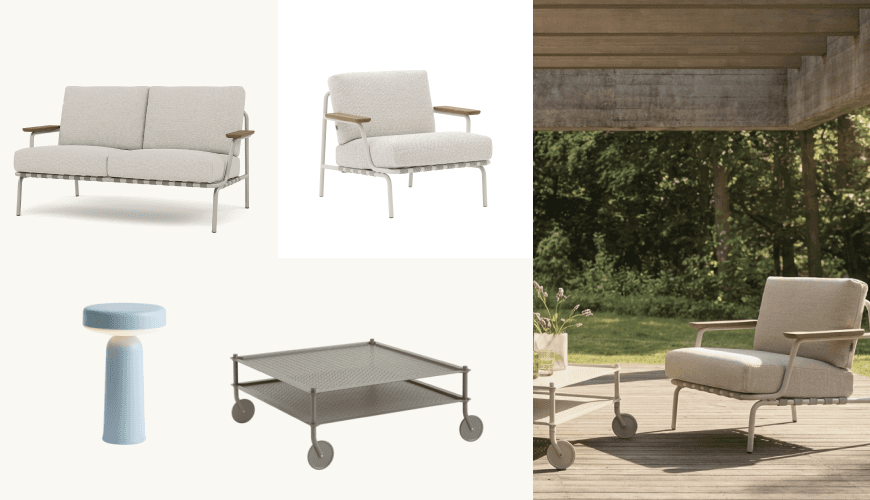
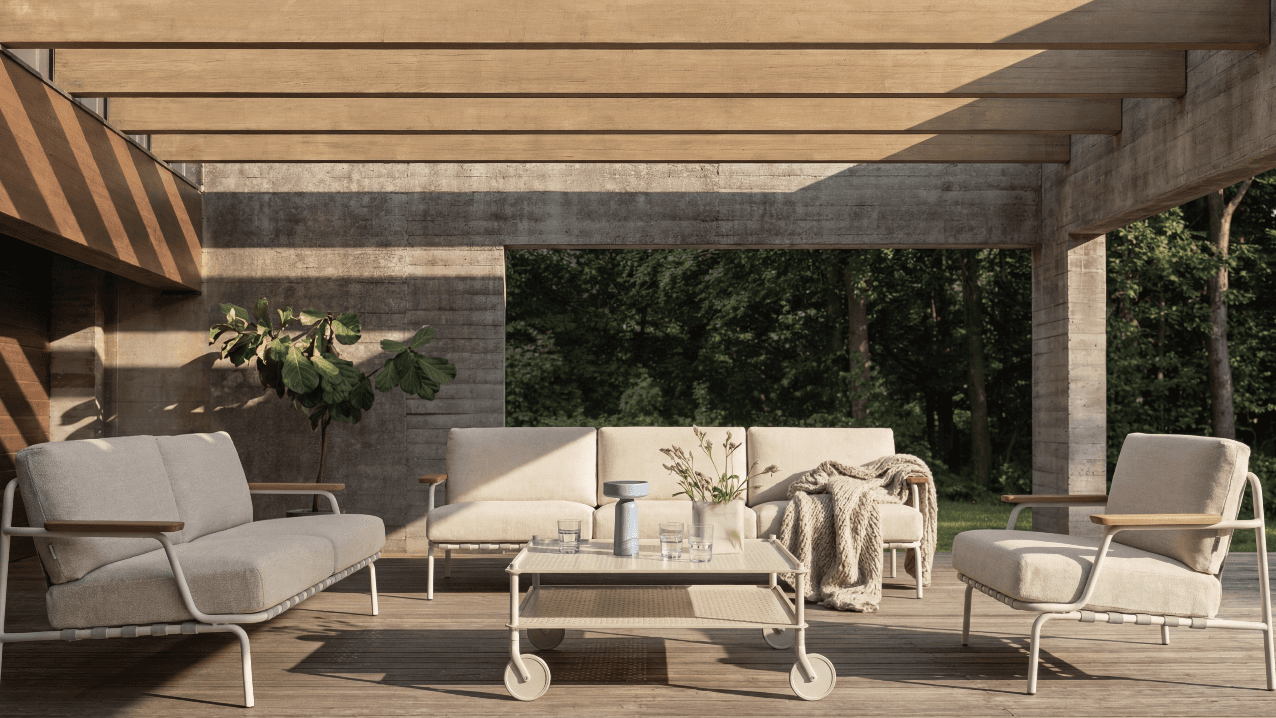
table of contents
table of contents
table of contents
highlight
3D to lifestyle
Accurate materials
100%
Material accuracy
The Challenge
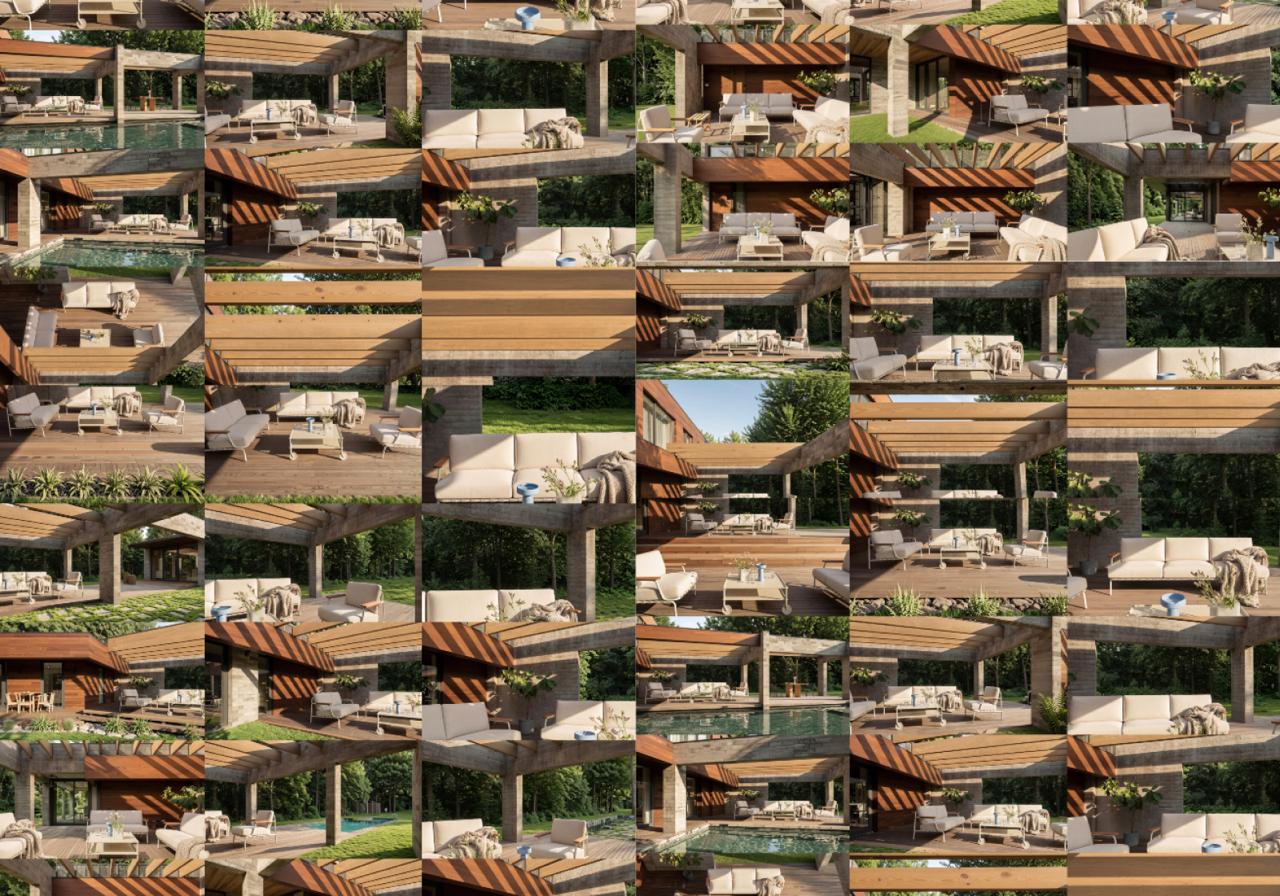
Muuto wanted to explore whether AI could generate photorealistic lifestyle scenes from their existing 3D product models. Faster, More scalable, Without the logistics.
The Solution
mimikry developed a custom pipeline designed to convert Muuto's existing 3D product files into lifestyle scene imagery.
Full Story
Muuto is one of Scandinavia's most recognized design furniture brands. Their catalog spans 200+ products across seating, tables, lighting, and accessories. Every piece follows a design philosophy rooted in material honesty. The way oak grain catches light. How wool felt compresses under weight. The exact sheen of powder-coated steel.
Traditional lifestyle shoots required shipping furniture to locations across Europe, coordinating photographers, stylists, and set designers. A single campaign took 6 to 8 weeks and cost five figures per setup.

The pipeline architecture:
Input. Muuto's existing 3D product models (CAD files already used for manufacturing and internal rendering).
Custom training dataset. Reference photography of actual Muuto products capturing real material behavior. Surface textures, light interaction, fabric drape, joint details.
Local model training. AI model trained exclusively on Muuto-owned assets. No third-party data. No scraped internet images. Training ran on dedicated German GPU infrastructure. Data never left GDPR-compliant servers.
Scene generation pipeline. Custom workflow producing lifestyle scenes across interior contexts. Scandinavian living rooms, Mediterranean terraces, minimalist offices, hospitality settings.
Review and iteration. Output reviewed against Muuto's internal quality benchmarks for material accuracy.
Integration of Clo3D files
Automation of colorways
Completely local & datasecure

Integration of Clo3D files
Automation of colorways
Completely local & datasecure
Integration of Clo3D files
Automation of colorways
Completely local & datasecure
Where It Fell Short
The pipeline produced output that 90% of brands would have approved. Scenes looked photorealistic. Composition was strong. Product placement felt natural.
But Muuto's design team operates at a different standard.
They identified material rendering issues that exposed a fundamental limitation in current generative AI. The model could reproduce the shape and color of a textile with high accuracy. But it could not yet replicate the specific weave pattern of Muuto's Remix fabric. It could not capture how their oiled oak veneer absorbs light differently than lacquered oak. It could not produce the exact micro-texture of their powder-coated steel.
The gap wasn't in the pipeline architecture. It was in the resolution ceiling of current diffusion models when applied to hyper-specific material behavior.
Muuto's feedback was direct. The output was not production-ready for their brand standards.
What This Project Changed
Muuto taught mimikry something that most AI companies learn too late or never admit publicly.
Product accuracy is not just about shape, color, and proportion. It is about material behavior. How light passes through a specific textile. How a surface absorbs or reflects at different angles. How an edge catches a shadow. For design-led brands in furniture, luxury fashion, and premium beauty, "looks close" is indistinguishable from "looks wrong." Their customers can feel the difference even if they can't name it.
This project directly shaped how mimikry approaches material-critical pipelines today. Custom training datasets now include 3x more material reference data per product category. Surface-level accuracy checks were replaced with material behavior validation at the texture level.
The technology is catching up. But we'd rather tell you where the ceiling is than pretend it doesn't exist.

Check out the next use cases

Show us how you work. We’ll show you what your AI could look like.
No generic solution. Built around your business.
" height="16px" id="xhPKy8kx3" transform="translate(1 1)" width="18px"/></svg>)

Show us how you work.
We’ll show you what your AI could look like.
NN@@MW08R#gKO9EqPS5wheeyCC1*s7Ljj{i?>][[+r;;;~~~!!!::::__,,,----------........''''........----------,,,__::::!!!~~~;;;r+[[]>?i{jjL7s*1CCyeehw5XPqE9OKg#R80WM@@NN
@@@MWB88##gO9mqPXSwheeyIC1*s7Lj{ii?>][+rr;;~~~!!!::::__,,--------....''''''''''''''''''''''....--------,,__::::!!!~~~;;rr+[]>?ii{jL7s*1CIyeehwSXPqm9Og##88BWM@@@
@@MMB08R#gO9mqPXSwheeyCC1*s7Lj{i?>]][+r;;;~~~!!!:::__,,-------..''''''''''''''''''''''''''''''''..-------,,__:::!!!~~~;;;r+[]]>?i{jL7s*1CCyeehwSXPqm9Og#R80BMM@@
@MMB08R#gK9mEPXSwheeyCC1*s7Lj{i?>][[rr;;~~~!!!:::__,-------..''''''''''''''''''''''''''''''''''''''..-------,__:::!!!~~~;;rr[[]>?i{jL7s*1CCyeehwSXPEm9Kg#R80BMM@
MMW08R#gKOmEqXS5heeyIC1*s7Lj{i?>][+r;;;~~~!!:::__,,-----..''''''''''''''````````````````''''''''''''''..-----,,__:::!!~~~;;;r+[]>?i{jL7s*1CIyeeh5SXqEmOKg#R80WMM
MWB88##gO9EqXS5weeyICC*s7Lj{i?>][+r;;;~~!!!:::_,,-----..''''''''''''````````````````````````''''''''''''..-----,,_:::!!!~~;;;r+[]>?i{jL7s*CCIyeew5SXqE9Og##88BWM
WB08R#gK9mqPX5wheyICC1s7Lj{i?>][+r;;;~~!!!::__,,-----.''''''''''````````````````````````````````''''''''''.-----,,__::!!!~~;;;r+[]>?i{jL7s1CCIyehw5XPqm9Kg#R80BW
BB88##KOmEqXS5heeyCC1*s7jji?>][+r;;;~~!!!::__,-----..'''''''''````````````````````````````````````'''''''''..-----,__::!!!~~;;rr+[]>?ijj7s*1CCyeeh5SXqEmOK##88BB
B08R#gO9mqPX5wheyIC1*s7Lj{i?>][+r;;~~!!!::__,-----..''''''''````````````````````````````````````````''''''''..-----,__::!!!~~;;r+[]>?i{jL7s*1CIyehw5XPqm9Og#R80B
088##KOmEqXSwheeICC1*sLj{i?>][+r;;~~~!!::__,-----.''''''''````````````````````````````````````````````''''''''.-----,__::!!~~~;;r+[]>?i{jLs*1CCIeehwSXqEmOK##880
08R#gK9mqPX5wheyIC1*s7Ljii>][+r;;;~~!!:::_,-----.''''''''``````````````````````````````````````````````''''''''.-----,_:::!!~~;;;r+[]>iijL7s*1CIyehw5XPqm9Kg#R80
88R#gO9EqXS5heeyCC1*sLj{i?>][+r;;~~!!!::_,,----.''''''''``````````````````````` ```````````````````````'''''''..----,,_::!!!~~;;r+[]>?i{jLs*1CCyeeh5SXqE9Og#R88
88##KOmEPXSwheyICC*s7Lj{i?][+r;;~~~!!::__,----..'''''''`````````````````` ``````````````````'''''''..----,__::!!~~~;;r+[]?i{jL7s*CCIyehwSXPEmOK##88
8R#gK9mEPX5wheyIC1*s7Lji?>][+r;;~~!!!::_,,----.'''''''````````````````` `````````````````'''''''.----,,_::!!!~~;;r+[]>?ijL7s*1CIyehw5XPEm9Kg#R8
8R#gO9mqPS5weeyCC1*sLj{i?>][+r;;~~!!:::_,----..''''''```````````````` `````````````````''''''.-----,_:::!!~~;;r+[]>?i{jLs*1CCyeew5SPqm9Og#R8
8R#gO9EqPS5weeyCC1*sLj{i?>][+r;;~~!!::__,----.'''''''``````````````` ```````````````''''''..----,__::!!~~;;r+[]>?i{jLs*1CCyeew5SPqE9Og#R8
8R#gO9EqXS5heeICC1*7Lj{i?>[[r;;;~~!!::_,,----.'''''''``````````````` ```````````````'''''''.----,,_::!!~~;;;r[[>?i{jL7*1CCIeeh5SXqE9Og#R8
RR#gO9EqXS5heeICC1s7Lj{i?>[[r;;;~~!!::_,,----.'''''''``````````````` ```````````````'''''''.----,,_::!!~~;;;r[[>?i{jL7*1CCIeeh5SXqE9Og#RR
8R#gO9EqXS5heeICC1*7Lj{i?>[[r;;;~~!!::_,,----.'''''''``````````````` ```````````````'''''''.----,,_::!!~~;;;r[[>?i{jL7*1CCIeeh5SXqE9Og#R8
8R#gO9EqPS5weeyCC1*sLj{i?>][+r;;~~!!::__,----.'''''''``````````````` ````````````````'''''''.----,__::!!~~;;r+[]>?i{jLs*1CCyeew5SPqE9Og#R8
8R#gO9mqPS5weeyCC1*sLj{i?>][+r;;~~!!:::_,-----.''''''````````````````` `````````````````''''''.-----,_:::!!~~;;r+[]>?i{jLs*1CCyeew5SPqm9Og#R8
8R#gK9mEPX5wheyIC1*s7Lji?>][+r;;~~!!!::_,,----.'''''''````````````````` `````````````````'''''''.----,,_::!!!~~;;r+[]>?ijL7s*1CIyehw5XPEm9Kg#R8
88##KOmEPXSwheyICC*s7Lj{i?][+r;;~~~!!::__,----..'''''''`````````````````` ``````````````````'''''''..----,__::!!~~~;;r+[]?i{jL7s*CCIyehwSXPEmOK##88
88R#gO9EqXS5heeyCC1*sLj{i?>][+r;;~~!!!::_,,----.''''''''`````````````````````` ``````````````````````''''''''.----,,_::!!!~~;;r+[]>?i{jLs*1CCyeeh5SXqE9Og#R88
88R#gK9mqPX5wheyIC1*s7Lji?>][+r;;~~~!!:::_,-----.''''''''``````````````````````````````````````````````''''''''.-----,_:::!!~~~;;r+[]>?ijL7s*1CIyehw5XPqm9Kg#R80
088##KOmEqXSwheeICC1*sLj{i?>][+r;;~~!!!::__,-----.''''''''````````````````````````````````````````````''''''''.-----,__::!!!~~;;r+[]>?i{jLs*1CCIeehwSXqEmOK##880
B08R#gO9EqPX5wheyIC1*s7Lj{i?]][+r;;~~!!!::__,-----.'''''''''````````````````````````````````````````'''''''''.-----,__::!!!~~;;r+[]]?i{jL7s*1CIyehw5XPqm9Og#R80B
BB88##KOmEqXS5heeyCC1*s7jji?>][+rr;;~~!!!::__,-----..'''''''''````````````````````````````````````'''''''''..-----,__::!!!~~;;rr+[]>?ijj7s*1CCyeeh5SXqEmOK##88BB
WB08R#gK9mqPX5wheyICC1s7Lj{i?>][+r;;;~~!!!::__,,-----.''''''''''````````````````````````````````''''''''''.-----,,__::!!!~~;;;r+[]>?i{jL7s1CCIyehw5XPqm9Kg#R80BW
MWB88##KO9EqXS5weeyICC*s7Lj{i?>][+r;;;~~!!!:::_,,-----..'''''''''''``````````````````````````'''''''''''..-----,,_:::!!!~~;;;r+[]>?i{jL7s*CCIyeew5SXqE9OK##88BWM
MMW08R#gKOmEPXS5heeyCC1*s7Lj{i?>][+r;;;~~~!!:::__,------..'''''''''''''''``````````````'''''''''''''''..------,__:::!!~~~;;;r+[]>?i{jL7s*1CCyeeh5SXqEmOKg#R80WMM
@MMB08R#gK9mqPXSwheeyCC1*s7Lj{i?>][+rr;;~~~!!!:::_,,-------..''''''''''''''''''''''''''''''''''''''..-------,,_:::!!!~~~;;rr+[]>?i{jL7s*1CCyeehwSXPEm9Kg#R80BMM@
@@MWB08R#gO9mqPXSwheeyCC1*s7Lj{i?>]][+r;;;~~!!!::::_,,-------...''''''''''''''''''''''''''''''''..--------,,_::::!!!~~;;;r+[]]>?i{jL7s*1CCyeehwSXPqm9Og#R80BWM@@
@@@MWB88##gO9mqPXSwheeyCC1*s7Lj{ii?>][+rr;;~~~!!!::::__,,--------....''''''''''''''''''''''....--------,,__::::!!!~~~;;rr+[]>?ii{jL7s*1CIyeehwSXPqm9Og##88BWM@@@
NN@@MW08R#gKO9EqPX5wheeyCC1*s7Ljj{i?>][[+r;;;~~~!!!::::__,,,----------........''''........----------,,,__::::!!!~~~;;;r+[[]>?i{jjL7s*1CCyeehw5XPqE9OKg#R80WM@@NN
Stop renting AI that everyone else can rent too.
Own AI built only for your business.
Built on your data, workflows, brand and expertise. Private to your company.
Designed to create, automate and scale what makes your business different.
NN@@MW08R#gKO9EqPS5wheeyCC1*s7Ljj{i?>][[+r;;;~~~!!!::::__,,,----------........''''........----------,,,__::::!!!~~~;;;r+[[]>?i{jjL7s*1CCyeehw5XPqE9OKg#R80WM@@NN
@@@MWB88##gO9mqPXSwheeyIC1*s7Lj{ii?>][+rr;;~~~!!!::::__,,--------....''''''''''''''''''''''....--------,,__::::!!!~~~;;rr+[]>?ii{jL7s*1CIyeehwSXPqm9Og##88BWM@@@
@@MMB08R#gO9mqPXSwheeyCC1*s7Lj{i?>]][+r;;;~~~!!!:::__,,-------..''''''''''''''''''''''''''''''''..-------,,__:::!!!~~~;;;r+[]]>?i{jL7s*1CCyeehwSXPqm9Og#R80BMM@@
@MMB08R#gK9mEPXSwheeyCC1*s7Lj{i?>][[rr;;~~~!!!:::__,-------..''''''''''''''''''''''''''''''''''''''..-------,__:::!!!~~~;;rr[[]>?i{jL7s*1CCyeehwSXPEm9Kg#R80BMM@
MMW08R#gKOmEqXS5heeyIC1*s7Lj{i?>][+r;;;~~~!!:::__,,-----..''''''''''''''````````````````''''''''''''''..-----,,__:::!!~~~;;;r+[]>?i{jL7s*1CIyeeh5SXqEmOKg#R80WMM
MWB88##gO9EqXS5weeyICC*s7Lj{i?>][+r;;;~~!!!:::_,,-----..''''''''''''````````````````````````''''''''''''..-----,,_:::!!!~~;;;r+[]>?i{jL7s*CCIyeew5SXqE9Og##88BWM
WB08R#gK9mqPX5wheyICC1s7Lj{i?>][+r;;;~~!!!::__,,-----.''''''''''````````````````````````````````''''''''''.-----,,__::!!!~~;;;r+[]>?i{jL7s1CCIyehw5XPqm9Kg#R80BW
BB88##KOmEqXS5heeyCC1*s7jji?>][+r;;;~~!!!::__,-----..'''''''''````````````````````````````````````'''''''''..-----,__::!!!~~;;rr+[]>?ijj7s*1CCyeeh5SXqEmOK##88BB
B08R#gO9mqPX5wheyIC1*s7Lj{i?>][+r;;~~!!!::__,-----..''''''''````````````````````````````````````````''''''''..-----,__::!!!~~;;r+[]>?i{jL7s*1CIyehw5XPqm9Og#R80B
088##KOmEqXSwheeICC1*sLj{i?>][+r;;~~~!!::__,-----.''''''''````````````````````````````````````````````''''''''.-----,__::!!~~~;;r+[]>?i{jLs*1CCIeehwSXqEmOK##880
08R#gK9mqPX5wheyIC1*s7Ljii>][+r;;;~~!!:::_,-----.''''''''``````````````````````````````````````````````''''''''.-----,_:::!!~~;;;r+[]>iijL7s*1CIyehw5XPqm9Kg#R80
88R#gO9EqXS5heeyCC1*sLj{i?>][+r;;~~!!!::_,,----.''''''''``````````````````````` ```````````````````````'''''''..----,,_::!!!~~;;r+[]>?i{jLs*1CCyeeh5SXqE9Og#R88
88##KOmEPXSwheyICC*s7Lj{i?][+r;;~~~!!::__,----..'''''''`````````````````` ``````````````````'''''''..----,__::!!~~~;;r+[]?i{jL7s*CCIyehwSXPEmOK##88
8R#gK9mEPX5wheyIC1*s7Lji?>][+r;;~~!!!::_,,----.'''''''````````````````` `````````````````'''''''.----,,_::!!!~~;;r+[]>?ijL7s*1CIyehw5XPEm9Kg#R8
8R#gO9mqPS5weeyCC1*sLj{i?>][+r;;~~!!:::_,----..''''''```````````````` `````````````````''''''.-----,_:::!!~~;;r+[]>?i{jLs*1CCyeew5SPqm9Og#R8
8R#gO9EqPS5weeyCC1*sLj{i?>][+r;;~~!!::__,----.'''''''``````````````` ```````````````''''''..----,__::!!~~;;r+[]>?i{jLs*1CCyeew5SPqE9Og#R8
8R#gO9EqXS5heeICC1*7Lj{i?>[[r;;;~~!!::_,,----.'''''''``````````````` ```````````````'''''''.----,,_::!!~~;;;r[[>?i{jL7*1CCIeeh5SXqE9Og#R8
RR#gO9EqXS5heeICC1s7Lj{i?>[[r;;;~~!!::_,,----.'''''''``````````````` ```````````````'''''''.----,,_::!!~~;;;r[[>?i{jL7*1CCIeeh5SXqE9Og#RR
8R#gO9EqXS5heeICC1*7Lj{i?>[[r;;;~~!!::_,,----.'''''''``````````````` ```````````````'''''''.----,,_::!!~~;;;r[[>?i{jL7*1CCIeeh5SXqE9Og#R8
8R#gO9EqPS5weeyCC1*sLj{i?>][+r;;~~!!::__,----.'''''''``````````````` ````````````````'''''''.----,__::!!~~;;r+[]>?i{jLs*1CCyeew5SPqE9Og#R8
8R#gO9mqPS5weeyCC1*sLj{i?>][+r;;~~!!:::_,-----.''''''````````````````` `````````````````''''''.-----,_:::!!~~;;r+[]>?i{jLs*1CCyeew5SPqm9Og#R8
8R#gK9mEPX5wheyIC1*s7Lji?>][+r;;~~!!!::_,,----.'''''''````````````````` `````````````````'''''''.----,,_::!!!~~;;r+[]>?ijL7s*1CIyehw5XPEm9Kg#R8
88##KOmEPXSwheyICC*s7Lj{i?][+r;;~~~!!::__,----..'''''''`````````````````` ``````````````````'''''''..----,__::!!~~~;;r+[]?i{jL7s*CCIyehwSXPEmOK##88
88R#gO9EqXS5heeyCC1*sLj{i?>][+r;;~~!!!::_,,----.''''''''`````````````````````` ``````````````````````''''''''.----,,_::!!!~~;;r+[]>?i{jLs*1CCyeeh5SXqE9Og#R88
88R#gK9mqPX5wheyIC1*s7Lji?>][+r;;~~~!!:::_,-----.''''''''``````````````````````````````````````````````''''''''.-----,_:::!!~~~;;r+[]>?ijL7s*1CIyehw5XPqm9Kg#R80
088##KOmEqXSwheeICC1*sLj{i?>][+r;;~~!!!::__,-----.''''''''````````````````````````````````````````````''''''''.-----,__::!!!~~;;r+[]>?i{jLs*1CCIeehwSXqEmOK##880
B08R#gO9EqPX5wheyIC1*s7Lj{i?]][+r;;~~!!!::__,-----.'''''''''````````````````````````````````````````'''''''''.-----,__::!!!~~;;r+[]]?i{jL7s*1CIyehw5XPqm9Og#R80B
BB88##KOmEqXS5heeyCC1*s7jji?>][+rr;;~~!!!::__,-----..'''''''''````````````````````````````````````'''''''''..-----,__::!!!~~;;rr+[]>?ijj7s*1CCyeeh5SXqEmOK##88BB
WB08R#gK9mqPX5wheyICC1s7Lj{i?>][+r;;;~~!!!::__,,-----.''''''''''````````````````````````````````''''''''''.-----,,__::!!!~~;;;r+[]>?i{jL7s1CCIyehw5XPqm9Kg#R80BW
MWB88##KO9EqXS5weeyICC*s7Lj{i?>][+r;;;~~!!!:::_,,-----..'''''''''''``````````````````````````'''''''''''..-----,,_:::!!!~~;;;r+[]>?i{jL7s*CCIyeew5SXqE9OK##88BWM
MMW08R#gKOmEPXS5heeyCC1*s7Lj{i?>][+r;;;~~~!!:::__,------..'''''''''''''''``````````````'''''''''''''''..------,__:::!!~~~;;;r+[]>?i{jL7s*1CCyeeh5SXqEmOKg#R80WMM
@MMB08R#gK9mqPXSwheeyCC1*s7Lj{i?>][+rr;;~~~!!!:::_,,-------..''''''''''''''''''''''''''''''''''''''..-------,,_:::!!!~~~;;rr+[]>?i{jL7s*1CCyeehwSXPEm9Kg#R80BMM@
@@MWB08R#gO9mqPXSwheeyCC1*s7Lj{i?>]][+r;;;~~!!!::::_,,-------...''''''''''''''''''''''''''''''''..--------,,_::::!!!~~;;;r+[]]>?i{jL7s*1CCyeehwSXPqm9Og#R80BWM@@
@@@MWB88##gO9mqPXSwheeyCC1*s7Lj{ii?>][+rr;;~~~!!!::::__,,--------....''''''''''''''''''''''....--------,,__::::!!!~~~;;rr+[]>?ii{jL7s*1CIyeehwSXPqm9Og##88BWM@@@
NN@@MW08R#gKO9EqPX5wheeyCC1*s7Ljj{i?>][[+r;;;~~~!!!::::__,,,----------........''''........----------,,,__::::!!!~~~;;;r+[[]>?i{jjL7s*1CCyeehw5XPqE9OKg#R80WM@@NN
Stop renting AI that everyone else can rent too.
Own AI built only for your business.
No shared training data, no borrowed aesthetics. Just a system trained on your archive, your color, and your visual language.
Built to produce work that looks unmistakably yours.
NN@@MW08R#gKO9EqPS5wheeyCC1*s7Ljj{i?>][[+r;;;~~~!!!::::__,,,----------........''''........----------,,,__::::!!!~~~;;;r+[[]>?i{jjL7s*1CCyeehw5XPqE9OKg#R80WM@@NN
@@@MWB88##gO9mqPXSwheeyIC1*s7Lj{ii?>][+rr;;~~~!!!::::__,,--------....''''''''''''''''''''''....--------,,__::::!!!~~~;;rr+[]>?ii{jL7s*1CIyeehwSXPqm9Og##88BWM@@@
@@MMB08R#gO9mqPXSwheeyCC1*s7Lj{i?>]][+r;;;~~~!!!:::__,,-------..''''''''''''''''''''''''''''''''..-------,,__:::!!!~~~;;;r+[]]>?i{jL7s*1CCyeehwSXPqm9Og#R80BMM@@
@MMB08R#gK9mEPXSwheeyCC1*s7Lj{i?>][[rr;;~~~!!!:::__,-------..''''''''''''''''''''''''''''''''''''''..-------,__:::!!!~~~;;rr[[]>?i{jL7s*1CCyeehwSXPEm9Kg#R80BMM@
MMW08R#gKOmEqXS5heeyIC1*s7Lj{i?>][+r;;;~~~!!:::__,,-----..''''''''''''''````````````````''''''''''''''..-----,,__:::!!~~~;;;r+[]>?i{jL7s*1CIyeeh5SXqEmOKg#R80WMM
MWB88##gO9EqXS5weeyICC*s7Lj{i?>][+r;;;~~!!!:::_,,-----..''''''''''''````````````````````````''''''''''''..-----,,_:::!!!~~;;;r+[]>?i{jL7s*CCIyeew5SXqE9Og##88BWM
WB08R#gK9mqPX5wheyICC1s7Lj{i?>][+r;;;~~!!!::__,,-----.''''''''''````````````````````````````````''''''''''.-----,,__::!!!~~;;;r+[]>?i{jL7s1CCIyehw5XPqm9Kg#R80BW
BB88##KOmEqXS5heeyCC1*s7jji?>][+r;;;~~!!!::__,-----..'''''''''````````````````````````````````````'''''''''..-----,__::!!!~~;;rr+[]>?ijj7s*1CCyeeh5SXqEmOK##88BB
B08R#gO9mqPX5wheyIC1*s7Lj{i?>][+r;;~~!!!::__,-----..''''''''````````````````````````````````````````''''''''..-----,__::!!!~~;;r+[]>?i{jL7s*1CIyehw5XPqm9Og#R80B
088##KOmEqXSwheeICC1*sLj{i?>][+r;;~~~!!::__,-----.''''''''````````````````````````````````````````````''''''''.-----,__::!!~~~;;r+[]>?i{jLs*1CCIeehwSXqEmOK##880
08R#gK9mqPX5wheyIC1*s7Ljii>][+r;;;~~!!:::_,-----.''''''''``````````````````````````````````````````````''''''''.-----,_:::!!~~;;;r+[]>iijL7s*1CIyehw5XPqm9Kg#R80
88R#gO9EqXS5heeyCC1*sLj{i?>][+r;;~~!!!::_,,----.''''''''``````````````````````` ```````````````````````'''''''..----,,_::!!!~~;;r+[]>?i{jLs*1CCyeeh5SXqE9Og#R88
88##KOmEPXSwheyICC*s7Lj{i?][+r;;~~~!!::__,----..'''''''`````````````````` ``````````````````'''''''..----,__::!!~~~;;r+[]?i{jL7s*CCIyehwSXPEmOK##88
8R#gK9mEPX5wheyIC1*s7Lji?>][+r;;~~!!!::_,,----.'''''''````````````````` `````````````````'''''''.----,,_::!!!~~;;r+[]>?ijL7s*1CIyehw5XPEm9Kg#R8
8R#gO9mqPS5weeyCC1*sLj{i?>][+r;;~~!!:::_,----..''''''```````````````` `````````````````''''''.-----,_:::!!~~;;r+[]>?i{jLs*1CCyeew5SPqm9Og#R8
8R#gO9EqPS5weeyCC1*sLj{i?>][+r;;~~!!::__,----.'''''''``````````````` ```````````````''''''..----,__::!!~~;;r+[]>?i{jLs*1CCyeew5SPqE9Og#R8
8R#gO9EqXS5heeICC1*7Lj{i?>[[r;;;~~!!::_,,----.'''''''``````````````` ```````````````'''''''.----,,_::!!~~;;;r[[>?i{jL7*1CCIeeh5SXqE9Og#R8
RR#gO9EqXS5heeICC1s7Lj{i?>[[r;;;~~!!::_,,----.'''''''``````````````` ```````````````'''''''.----,,_::!!~~;;;r[[>?i{jL7*1CCIeeh5SXqE9Og#RR
8R#gO9EqXS5heeICC1*7Lj{i?>[[r;;;~~!!::_,,----.'''''''``````````````` ```````````````'''''''.----,,_::!!~~;;;r[[>?i{jL7*1CCIeeh5SXqE9Og#R8
8R#gO9EqPS5weeyCC1*sLj{i?>][+r;;~~!!::__,----.'''''''``````````````` ````````````````'''''''.----,__::!!~~;;r+[]>?i{jLs*1CCyeew5SPqE9Og#R8
8R#gO9mqPS5weeyCC1*sLj{i?>][+r;;~~!!:::_,-----.''''''````````````````` `````````````````''''''.-----,_:::!!~~;;r+[]>?i{jLs*1CCyeew5SPqm9Og#R8
8R#gK9mEPX5wheyIC1*s7Lji?>][+r;;~~!!!::_,,----.'''''''````````````````` `````````````````'''''''.----,,_::!!!~~;;r+[]>?ijL7s*1CIyehw5XPEm9Kg#R8
88##KOmEPXSwheyICC*s7Lj{i?][+r;;~~~!!::__,----..'''''''`````````````````` ``````````````````'''''''..----,__::!!~~~;;r+[]?i{jL7s*CCIyehwSXPEmOK##88
88R#gO9EqXS5heeyCC1*sLj{i?>][+r;;~~!!!::_,,----.''''''''`````````````````````` ``````````````````````''''''''.----,,_::!!!~~;;r+[]>?i{jLs*1CCyeeh5SXqE9Og#R88
88R#gK9mqPX5wheyIC1*s7Lji?>][+r;;~~~!!:::_,-----.''''''''``````````````````````````````````````````````''''''''.-----,_:::!!~~~;;r+[]>?ijL7s*1CIyehw5XPqm9Kg#R80
088##KOmEqXSwheeICC1*sLj{i?>][+r;;~~!!!::__,-----.''''''''````````````````````````````````````````````''''''''.-----,__::!!!~~;;r+[]>?i{jLs*1CCIeehwSXqEmOK##880
B08R#gO9EqPX5wheyIC1*s7Lj{i?]][+r;;~~!!!::__,-----.'''''''''````````````````````````````````````````'''''''''.-----,__::!!!~~;;r+[]]?i{jL7s*1CIyehw5XPqm9Og#R80B
BB88##KOmEqXS5heeyCC1*s7jji?>][+rr;;~~!!!::__,-----..'''''''''````````````````````````````````````'''''''''..-----,__::!!!~~;;rr+[]>?ijj7s*1CCyeeh5SXqEmOK##88BB
WB08R#gK9mqPX5wheyICC1s7Lj{i?>][+r;;;~~!!!::__,,-----.''''''''''````````````````````````````````''''''''''.-----,,__::!!!~~;;;r+[]>?i{jL7s1CCIyehw5XPqm9Kg#R80BW
MWB88##KO9EqXS5weeyICC*s7Lj{i?>][+r;;;~~!!!:::_,,-----..'''''''''''``````````````````````````'''''''''''..-----,,_:::!!!~~;;;r+[]>?i{jL7s*CCIyeew5SXqE9OK##88BWM
MMW08R#gKOmEPXS5heeyCC1*s7Lj{i?>][+r;;;~~~!!:::__,------..'''''''''''''''``````````````'''''''''''''''..------,__:::!!~~~;;;r+[]>?i{jL7s*1CCyeeh5SXqEmOKg#R80WMM
@MMB08R#gK9mqPXSwheeyCC1*s7Lj{i?>][+rr;;~~~!!!:::_,,-------..''''''''''''''''''''''''''''''''''''''..-------,,_:::!!!~~~;;rr+[]>?i{jL7s*1CCyeehwSXPEm9Kg#R80BMM@
@@MWB08R#gO9mqPXSwheeyCC1*s7Lj{i?>]][+r;;;~~!!!::::_,,-------...''''''''''''''''''''''''''''''''..--------,,_::::!!!~~;;;r+[]]>?i{jL7s*1CCyeehwSXPqm9Og#R80BWM@@
@@@MWB88##gO9mqPXSwheeyCC1*s7Lj{ii?>][+rr;;~~~!!!::::__,,--------....''''''''''''''''''''''....--------,,__::::!!!~~~;;rr+[]>?ii{jL7s*1CIyeehwSXPqm9Og##88BWM@@@
NN@@MW08R#gKO9EqPX5wheeyCC1*s7Ljj{i?>][[+r;;;~~~!!!::::__,,,----------........''''........----------,,,__::::!!!~~~;;;r+[[]>?i{jjL7s*1CCyeehw5XPqE9OKg#R80WM@@NN
Stop renting AI that everyone else can rent too. Own a system built only for you.
Built on your data, workflows, brand and expertise. Private to your company. Designed to create, automate and scale what makes your business different.
NN@@MW08R#gKO9EqPS5wheeyCC1*s7Ljj{i?>][[+r;;;~~~!!!::::__,,,----------........''''........----------,,,__::::!!!~~~;;;r+[[]>?i{jjL7s*1CCyeehw5XPqE9OKg#R80WM@@NN
@@@MWB88##gO9mqPXSwheeyIC1*s7Lj{ii?>][+rr;;~~~!!!::::__,,--------....''''''''''''''''''''''....--------,,__::::!!!~~~;;rr+[]>?ii{jL7s*1CIyeehwSXPqm9Og##88BWM@@@
@@MMB08R#gO9mqPXSwheeyCC1*s7Lj{i?>]][+r;;;~~~!!!:::__,,-------..''''''''''''''''''''''''''''''''..-------,,__:::!!!~~~;;;r+[]]>?i{jL7s*1CCyeehwSXPqm9Og#R80BMM@@
@MMB08R#gK9mEPXSwheeyCC1*s7Lj{i?>][[rr;;~~~!!!:::__,-------..''''''''''''''''''''''''''''''''''''''..-------,__:::!!!~~~;;rr[[]>?i{jL7s*1CCyeehwSXPEm9Kg#R80BMM@
MMW08R#gKOmEqXS5heeyIC1*s7Lj{i?>][+r;;;~~~!!:::__,,-----..''''''''''''''````````````````''''''''''''''..-----,,__:::!!~~~;;;r+[]>?i{jL7s*1CIyeeh5SXqEmOKg#R80WMM
MWB88##gO9EqXS5weeyICC*s7Lj{i?>][+r;;;~~!!!:::_,,-----..''''''''''''````````````````````````''''''''''''..-----,,_:::!!!~~;;;r+[]>?i{jL7s*CCIyeew5SXqE9Og##88BWM
WB08R#gK9mqPX5wheyICC1s7Lj{i?>][+r;;;~~!!!::__,,-----.''''''''''````````````````````````````````''''''''''.-----,,__::!!!~~;;;r+[]>?i{jL7s1CCIyehw5XPqm9Kg#R80BW
BB88##KOmEqXS5heeyCC1*s7jji?>][+r;;;~~!!!::__,-----..'''''''''````````````````````````````````````'''''''''..-----,__::!!!~~;;rr+[]>?ijj7s*1CCyeeh5SXqEmOK##88BB
B08R#gO9mqPX5wheyIC1*s7Lj{i?>][+r;;~~!!!::__,-----..''''''''````````````````````````````````````````''''''''..-----,__::!!!~~;;r+[]>?i{jL7s*1CIyehw5XPqm9Og#R80B
088##KOmEqXSwheeICC1*sLj{i?>][+r;;~~~!!::__,-----.''''''''````````````````````````````````````````````''''''''.-----,__::!!~~~;;r+[]>?i{jLs*1CCIeehwSXqEmOK##880
08R#gK9mqPX5wheyIC1*s7Ljii>][+r;;;~~!!:::_,-----.''''''''``````````````````````````````````````````````''''''''.-----,_:::!!~~;;;r+[]>iijL7s*1CIyehw5XPqm9Kg#R80
88R#gO9EqXS5heeyCC1*sLj{i?>][+r;;~~!!!::_,,----.''''''''``````````````````````` ```````````````````````'''''''..----,,_::!!!~~;;r+[]>?i{jLs*1CCyeeh5SXqE9Og#R88
88##KOmEPXSwheyICC*s7Lj{i?][+r;;~~~!!::__,----..'''''''`````````````````` ``````````````````'''''''..----,__::!!~~~;;r+[]?i{jL7s*CCIyehwSXPEmOK##88
8R#gK9mEPX5wheyIC1*s7Lji?>][+r;;~~!!!::_,,----.'''''''````````````````` `````````````````'''''''.----,,_::!!!~~;;r+[]>?ijL7s*1CIyehw5XPEm9Kg#R8
8R#gO9mqPS5weeyCC1*sLj{i?>][+r;;~~!!:::_,----..''''''```````````````` `````````````````''''''.-----,_:::!!~~;;r+[]>?i{jLs*1CCyeew5SPqm9Og#R8
8R#gO9EqPS5weeyCC1*sLj{i?>][+r;;~~!!::__,----.'''''''``````````````` ```````````````''''''..----,__::!!~~;;r+[]>?i{jLs*1CCyeew5SPqE9Og#R8
8R#gO9EqXS5heeICC1*7Lj{i?>[[r;;;~~!!::_,,----.'''''''``````````````` ```````````````'''''''.----,,_::!!~~;;;r[[>?i{jL7*1CCIeeh5SXqE9Og#R8
RR#gO9EqXS5heeICC1s7Lj{i?>[[r;;;~~!!::_,,----.'''''''``````````````` ```````````````'''''''.----,,_::!!~~;;;r[[>?i{jL7*1CCIeeh5SXqE9Og#RR
8R#gO9EqXS5heeICC1*7Lj{i?>[[r;;;~~!!::_,,----.'''''''``````````````` ```````````````'''''''.----,,_::!!~~;;;r[[>?i{jL7*1CCIeeh5SXqE9Og#R8
8R#gO9EqPS5weeyCC1*sLj{i?>][+r;;~~!!::__,----.'''''''``````````````` ````````````````'''''''.----,__::!!~~;;r+[]>?i{jLs*1CCyeew5SPqE9Og#R8
8R#gO9mqPS5weeyCC1*sLj{i?>][+r;;~~!!:::_,-----.''''''````````````````` `````````````````''''''.-----,_:::!!~~;;r+[]>?i{jLs*1CCyeew5SPqm9Og#R8
8R#gK9mEPX5wheyIC1*s7Lji?>][+r;;~~!!!::_,,----.'''''''````````````````` `````````````````'''''''.----,,_::!!!~~;;r+[]>?ijL7s*1CIyehw5XPEm9Kg#R8
88##KOmEPXSwheyICC*s7Lj{i?][+r;;~~~!!::__,----..'''''''`````````````````` ``````````````````'''''''..----,__::!!~~~;;r+[]?i{jL7s*CCIyehwSXPEmOK##88
88R#gO9EqXS5heeyCC1*sLj{i?>][+r;;~~!!!::_,,----.''''''''`````````````````````` ``````````````````````''''''''.----,,_::!!!~~;;r+[]>?i{jLs*1CCyeeh5SXqE9Og#R88
88R#gK9mqPX5wheyIC1*s7Lji?>][+r;;~~~!!:::_,-----.''''''''``````````````````````````````````````````````''''''''.-----,_:::!!~~~;;r+[]>?ijL7s*1CIyehw5XPqm9Kg#R80
088##KOmEqXSwheeICC1*sLj{i?>][+r;;~~!!!::__,-----.''''''''````````````````````````````````````````````''''''''.-----,__::!!!~~;;r+[]>?i{jLs*1CCIeehwSXqEmOK##880
B08R#gO9EqPX5wheyIC1*s7Lj{i?]][+r;;~~!!!::__,-----.'''''''''````````````````````````````````````````'''''''''.-----,__::!!!~~;;r+[]]?i{jL7s*1CIyehw5XPqm9Og#R80B
BB88##KOmEqXS5heeyCC1*s7jji?>][+rr;;~~!!!::__,-----..'''''''''````````````````````````````````````'''''''''..-----,__::!!!~~;;rr+[]>?ijj7s*1CCyeeh5SXqEmOK##88BB
WB08R#gK9mqPX5wheyICC1s7Lj{i?>][+r;;;~~!!!::__,,-----.''''''''''````````````````````````````````''''''''''.-----,,__::!!!~~;;;r+[]>?i{jL7s1CCIyehw5XPqm9Kg#R80BW
MWB88##KO9EqXS5weeyICC*s7Lj{i?>][+r;;;~~!!!:::_,,-----..'''''''''''``````````````````````````'''''''''''..-----,,_:::!!!~~;;;r+[]>?i{jL7s*CCIyeew5SXqE9OK##88BWM
MMW08R#gKOmEPXS5heeyCC1*s7Lj{i?>][+r;;;~~~!!:::__,------..'''''''''''''''``````````````'''''''''''''''..------,__:::!!~~~;;;r+[]>?i{jL7s*1CCyeeh5SXqEmOKg#R80WMM
@MMB08R#gK9mqPXSwheeyCC1*s7Lj{i?>][+rr;;~~~!!!:::_,,-------..''''''''''''''''''''''''''''''''''''''..-------,,_:::!!!~~~;;rr+[]>?i{jL7s*1CCyeehwSXPEm9Kg#R80BMM@
@@MWB08R#gO9mqPXSwheeyCC1*s7Lj{i?>]][+r;;;~~!!!::::_,,-------...''''''''''''''''''''''''''''''''..--------,,_::::!!!~~;;;r+[]]>?i{jL7s*1CCyeehwSXPqm9Og#R80BWM@@
@@@MWB88##gO9mqPXSwheeyCC1*s7Lj{ii?>][+rr;;~~~!!!::::__,,--------....''''''''''''''''''''''....--------,,__::::!!!~~~;;rr+[]>?ii{jL7s*1CIyeehwSXPqm9Og##88BWM@@@
NN@@MW08R#gKO9EqPX5wheeyCC1*s7Ljj{i?>][[+r;;;~~~!!!::::__,,,----------........''''........----------,,,__::::!!!~~~;;;r+[[]>?i{jjL7s*1CCyeehw5XPqE9OKg#R80WM@@NN
Stop renting AI that everyone else can rent too. Own a system built only for you.
Built on your data, workflows, brand and expertise. Private to your company. Designed to create, automate and scale what makes your business different.